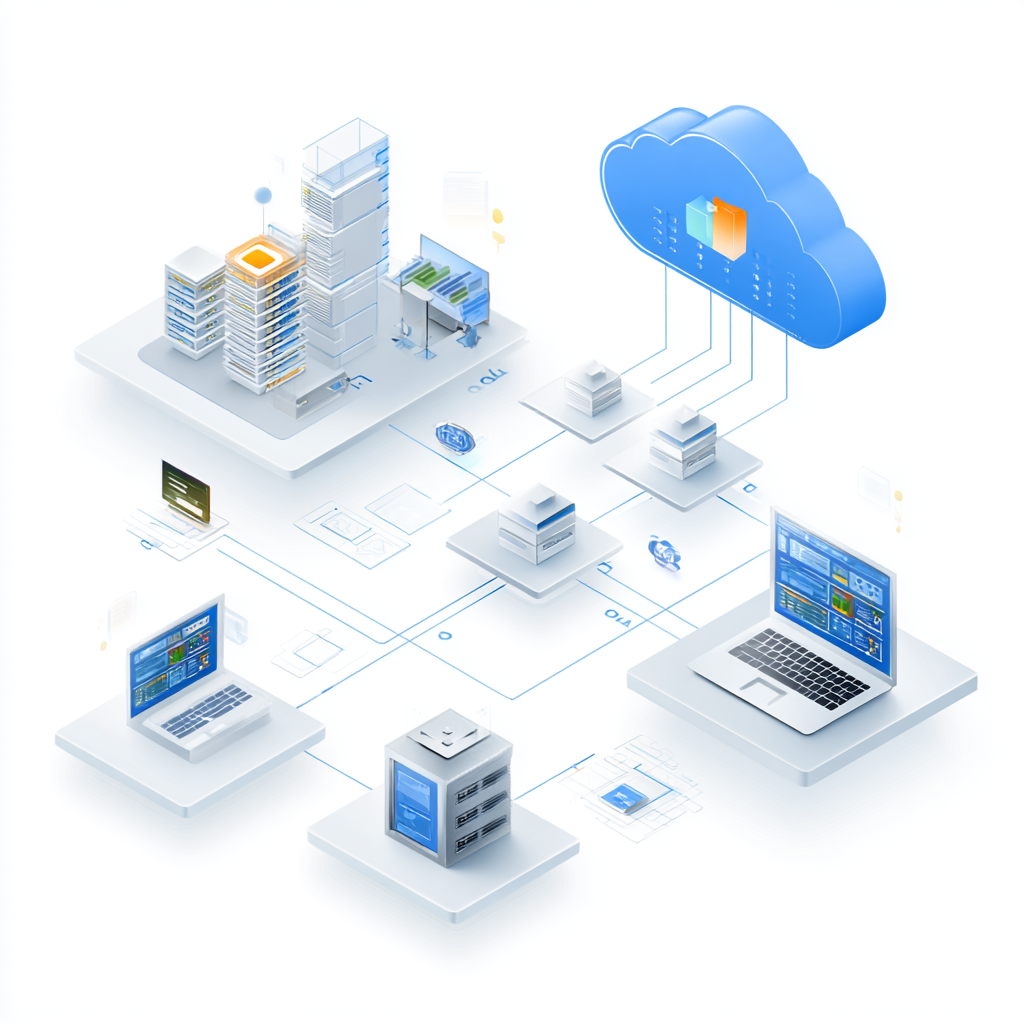
Why the Enterprise Data Warehouse Needs a 2026 Makeover
The next generation of data leadership begins by rethinking the architecture beneath the dashboards.
For more than a decade, the enterprise data warehouse served as the backbone of business intelligence. Built for structured data and governed by IT, it was the reliable engine behind reports and dashboards. But in 2026, this once dependable architecture is buckling under new expectations. Modern enterprises need agility, diversity, and speed — not rigid, batch-oriented systems.
The enterprise data warehouse: a legacy ready for disruption
Today’s organizations require insight across formats, across teams, and across systems in real time. That is exactly where traditional EDWs begin to fail. They were never designed for the elasticity, complexity, or distributed ownership models that define modern operations.
“Your data warehouse wasn’t designed for IoT sensors, mobile app logs, or streaming inventory updates.”
What’s breaking the warehouse model?
- Real-time analytics demanded by operations
- Cloud-native applications generating elastic data streams
- Unstructured formats from APIs, events, logs, and mobile apps
- Self-service expectations from business teams
- Domain ownership models emerging through data mesh
- ETL pipelines breaking under complexity and volume
Signs it’s time for a makeover
- BI reports taking hours instead of seconds
- Engineers firefighting brittle pipelines
- Shadow spreadsheets emerging across departments
- API and log data difficult to ingest or harmonize
- Cloud bills increasing without corresponding value
These are not technical failures. They are strategic constraints that prevent organizations from operating at the speed their customers expect.
What a modern data platform looks like
A modern platform is not a single tool. It is an ecosystem designed for flexibility, intelligence, and scale.
Core capabilities
- Cloud-native elasticity for unpredictable workloads
- Event-driven architecture for real-time ingestion
- Support for structured, semi-structured, and unstructured data
- Reusable ingestion paths powered by data contracts
Human-centered features
- Semantic layers for consistency across tools
- Data catalogs that surface definitions and lineage
- Business-friendly self-service interfaces
- Governance embedded by default, not added later
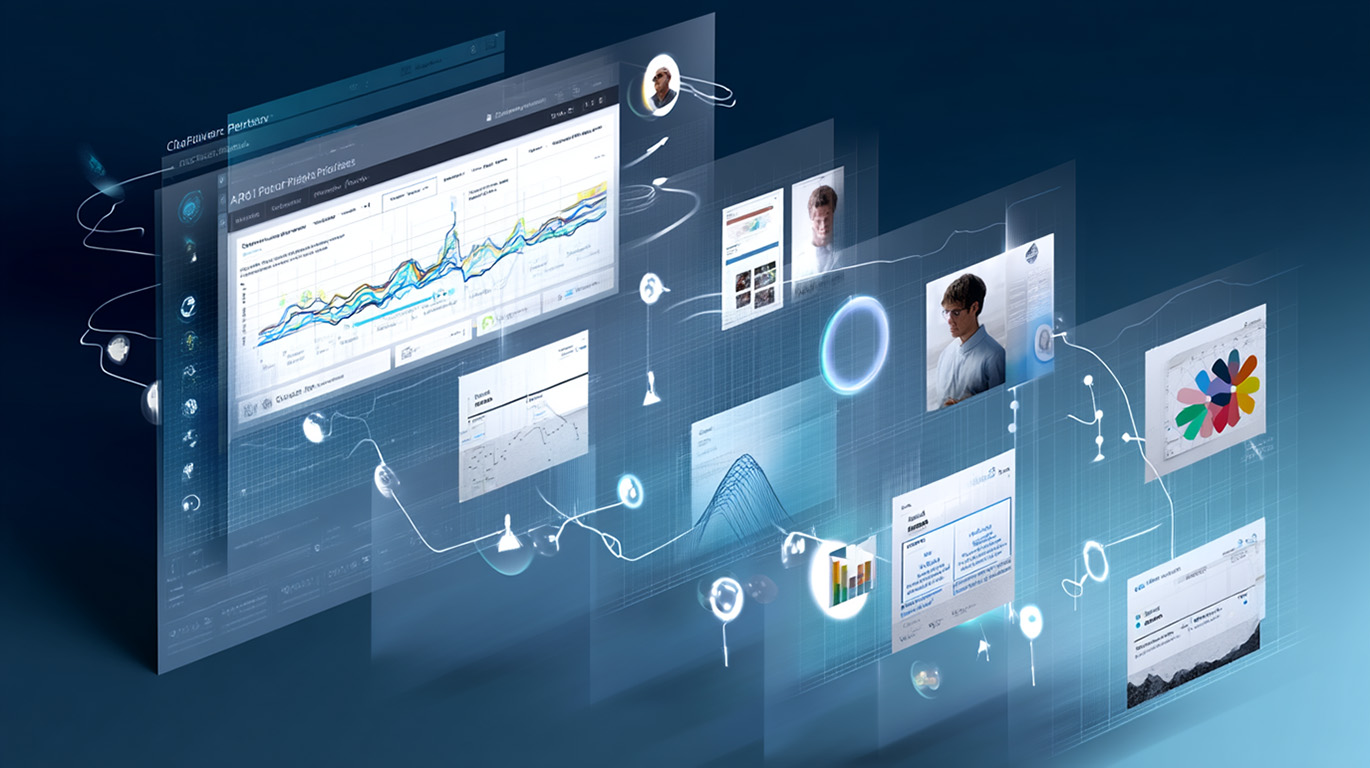
Modern platforms combine streaming, batch, contracts, lineage, and business context into a unified analytical fabric.
What enterprises are actually doing in 2025
Modernization is no longer theoretical. Leading enterprises are already moving:
- Domains own their data and metrics
- Composable platforms replace monolithic engines
- Real-time and streaming become the default
- AI automates metadata, lineage, and quality checks
- Data is delivered as a product, not a pipeline output
These shifts are turning data platforms into competitive engines, not cost centers.
Strategic takeaway
Modernizing the EDW is not just a technical project. It is a transformation that reshapes how the organization thinks, works, and competes. Your competitors are not just building dashboards faster. They are making decisions faster, personalizing experiences, and deploying AI-driven intelligence at scale.